
Key Takeaways
-
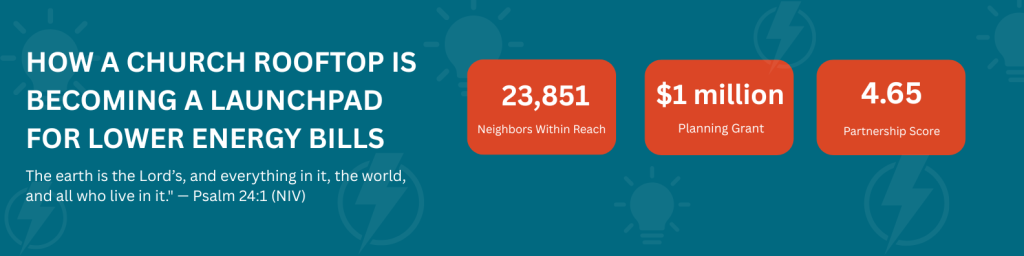
First Baptist Church of Lincoln Gardens is turning a church rooftop into a launchpad for solar power, EV infrastructure, and youth training, showing how theology can drive sustainable change.
-
The project directly addresses structural inequities like energy poverty, pollution, and lack of youth opportunity in historically overburdened neighborhoods.
- With a $1 million state grant and bold public witness, FBCLG is modeling how churches can build trust, reshape policy, and equip the next generation—all from the ground up.
The earth is the Lord’s, and everything in it, the world, and all who live in it.” — Psalm 24:1 (NIV)
What if your roof could carry your neighborhood’s burdens?
When the Rev. Dr. Danté R. Quick stood atop the 26,000-square-foot roof of First Baptist Church of Lincoln Gardens (FBCLG), he wasn’t just envisioning solar panels—he was seeing a new ecosystem rooted in justice, powered by faith, and grounded in community. That rooftop will soon become the launch site for The Genesis Project™, a bold, faith-led environmental justice initiative recently awarded a $1 million planning grant by the New Jersey Department of Environmental Protection. “The Black Church has long stood on the front lines of justice,” Rev. Quick said. “With The Genesis Project™, we continue that legacy by addressing environmental injustice and lifting the burden of energy poverty.”
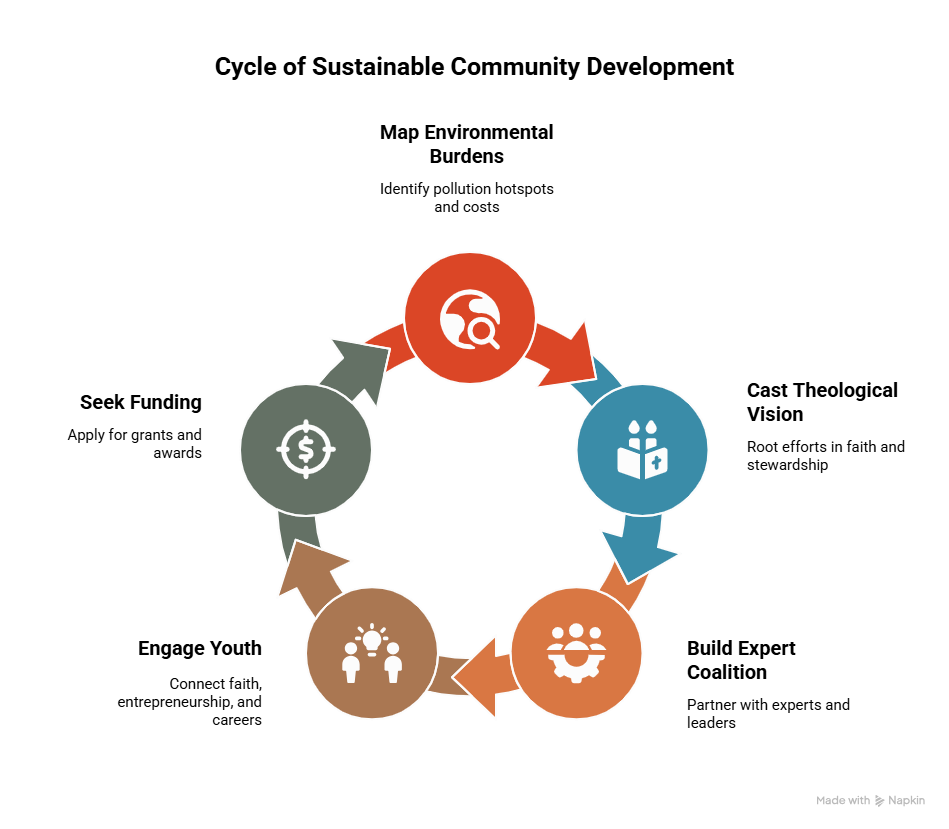
At its core, the project is a ministry of green theology, where caring for the planet is not only wise stewardship but a sacred call. The 18-month planning grant will support community solar development, EV charging stations, youth entrepreneurship training, and a sweeping public engagement strategy. But this is only the beginning. The Genesis Project™ aims to be a living, replicable model of what it means for churches to not only serve their neighbors, but to empower them to build a more sustainable future.
Bridge-Building
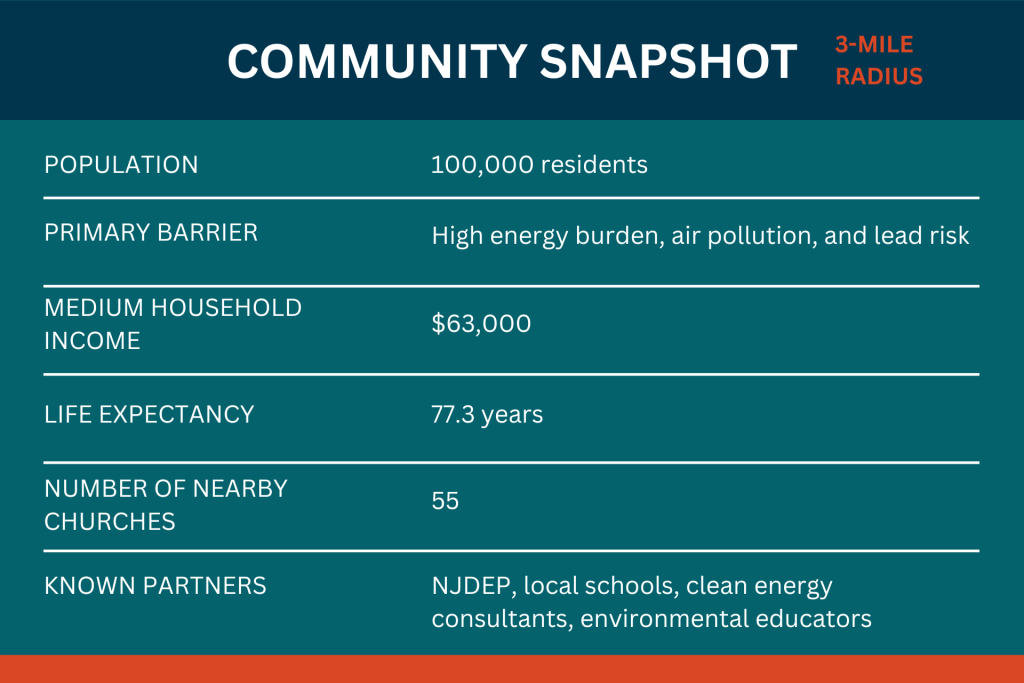
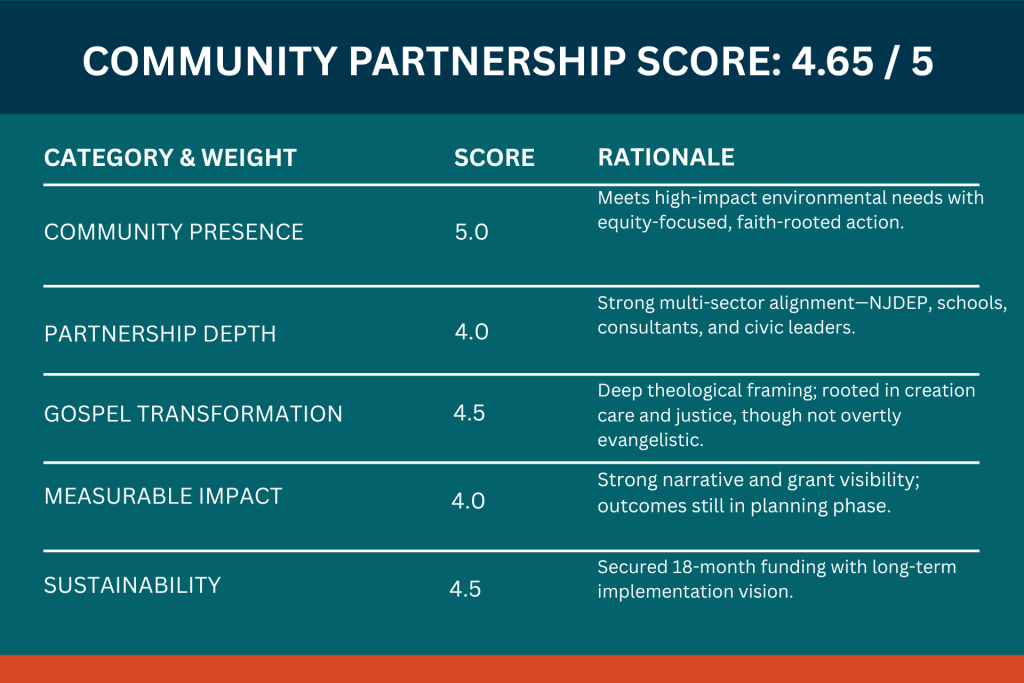
The Genesis Project™ directly confronts a structural and environmental trust gap, one where overburdened Black and brown communities in Franklin and New Brunswick have long faced polluted air, lead exposure, and limited access to sustainable infrastructure. These disparities didn’t emerge overnight; they are the result of disinvestment, industrial zoning, and policy neglect. What sets this initiative apart is its faith-rooted framework. FBCLG isn’t just offering solar panels, it’s offering healing, opportunity, and a new imagination for what the Church can be. In a region where climate plans rarely include local voices, FBCLG is elevating community wisdom, inviting civic leaders, and training youth to become tomorrow’s sustainability leaders. This is trust-building at the systemic level—powered by theology, driven by justice.
Let’s discern what rebuilding trust might look like in your context
Final Reflection / Call to Action
The Genesis Project™ is more than solar, it’s spiritual infrastructure. It is the Church reclaiming its prophetic voice to say: “Environmental injustice will not have the final word, not here, not now.” As our neighborhoods grapple with the impact of climate change, aging infrastructure, and generational disinvestment, churches like FBCLG are showing what’s possible when faith moves beyond charity and into systems change. What if your church rooftop could power not just your building, but your community’s future?
- Download the Community Mapping Playbook to serve your context
- Let’s discern what rebuilding trust might look like in your context
Source: Learn more