
Key Takeaways
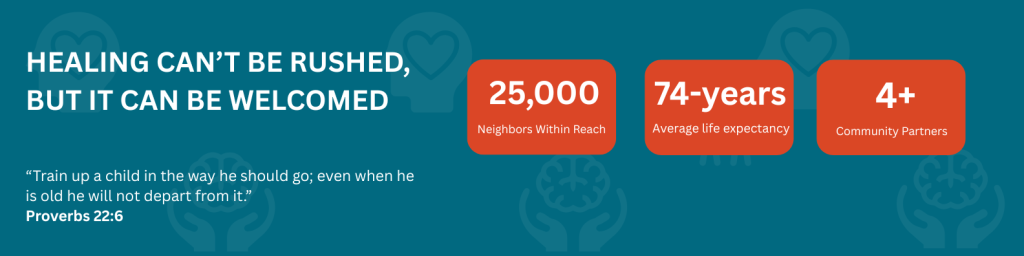
- Tabernacle Baptist Church in Augusta hosted a mental health & wellness fair during Mental Health Awareness Month.
- It created space for therapists, veterans groups, and families to connect in a culturally affirming environment.
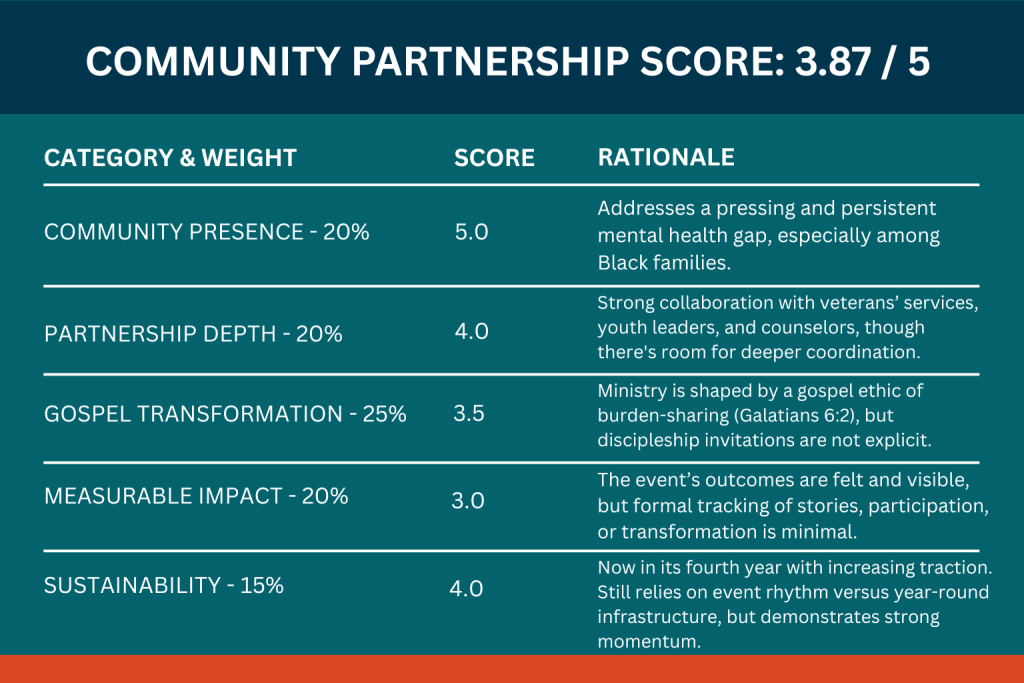
- The fair is part of a sustained pattern of presence—not a one-off event.
- The church is rebuilding trust where counseling and care have historically felt out of reach.
- It reflects Galatians 6:2 in action—bearing burdens through listening, presence, and connection.
“Carry each other’s burdens, and in this way you will fulfill the law of Christ.” – Galatians 6:2
A Place for Healing, Hope, and Honest Conversations
Mental health can feel like a private storm—quiet, heavy, and often hidden. But this May, Tabernacle Baptist Church in Augusta made space for those storms to be seen and shared. With open doors and open arms, they hosted their fourth annual Kingdom Living Mental Health & Wellness Fair, bringing together neighbors, professionals, and prayerful hearts in one welcoming space. There was joy, too—children playing, neighbors laughing over smoothies, a panel of youth leaders and mental health advocates lifting up real talk and real hope. “Our volunteers brought so much energy,” one organizer shared. “You could feel people exhale. There was relief in just being seen.” The church didn’t try to solve everything in a day. But for a few sacred hours, they created a kind of refuge—where licensed therapists, local agencies, veterans’ groups, and wellness coaches offered their gifts with compassion. And it all happened on familiar ground: church steps, church tables, church faces.
What This Church Is Really Rebuilding
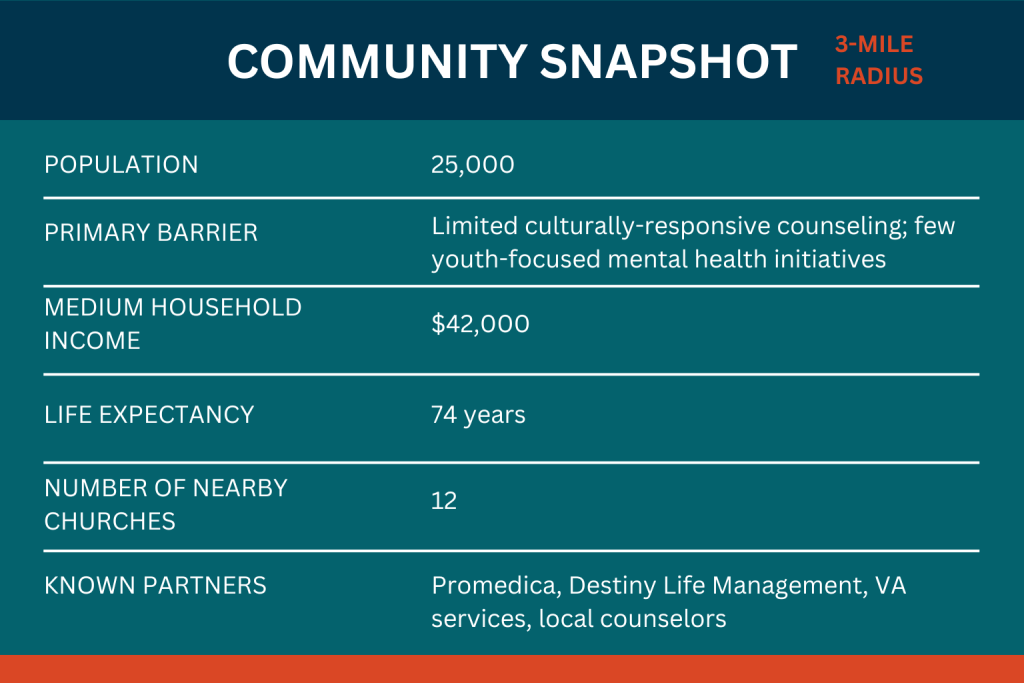
In communities like Augusta’s Laney-Walker district, conversations around mental health can be hard to start—especially in Black and brown neighborhoods where stigma still casts a long shadow. That’s where Tabernacle steps in—not with a billboard or a one-off handout, but with presence. Real, relational, repeated presence. By hosting this fair on church grounds, with Black mental health professionals, veterans’ reps, and young adult voices leading the way, they’re slowly rebuilding a bridge of trust. One conversation, one connection, one prayer at a time. It’s not flashy. It’s faithful.
Let’s discern what rebuilding trust might look like in your context
Try This
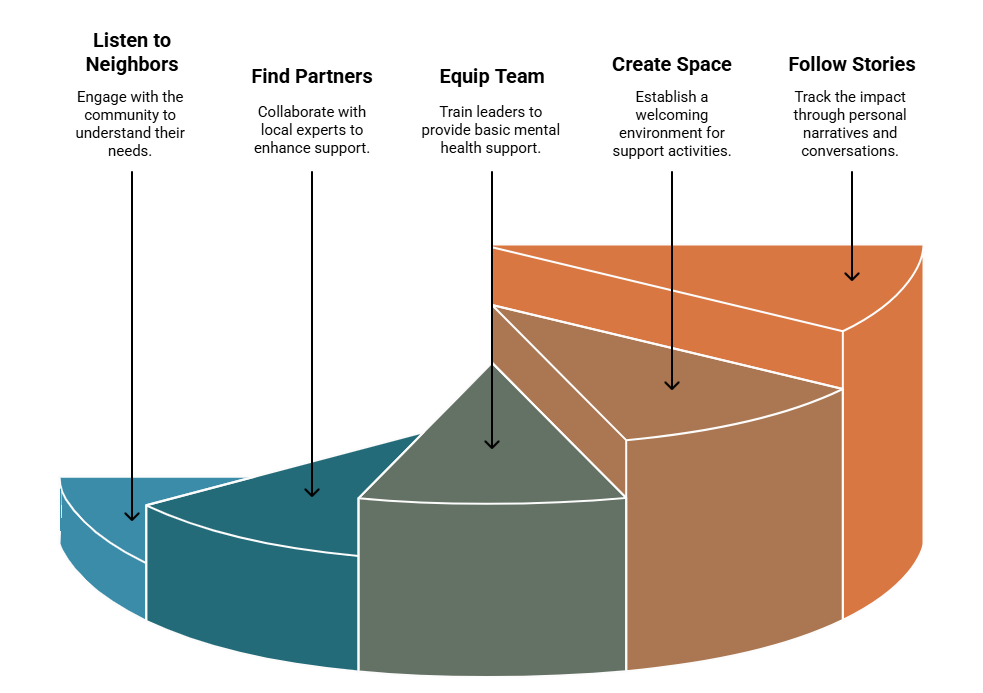
- Start by Listening – Ask your neighbors what they’re carrying. Mental health isn’t always named—but it’s there.
- Find Your People – Partner with local counselors, clinics, or school staff who know the real needs.
- Equip Your Team – Offer basic training in mental health first aid or spiritual care to lay leaders.
- Create a Welcoming Space – Whether it’s a full fair or a small monthly support circle, start with dignity, not diagnosis.
- Follow the Fruit – Track stories, not just numbers. What conversations are happening now that weren’t before?
A Final Word
This isn’t about putting on a perfect event. It’s about putting flesh on Galatians 6:2. Churches like Tabernacle are reminding us that sometimes the most powerful ministry looks like a seat at a folding table, a warm greeting, and someone who knows how to listen. That’s where healing begins. If you’re wondering what this could look like in your community, you don’t have to figure it out alone.
- Download the Community Mapping Playbook to serve your context
- Let’s discern what rebuilding trust might look like in your context
Source: WJBF News Coverage