
Key Takeaways
-
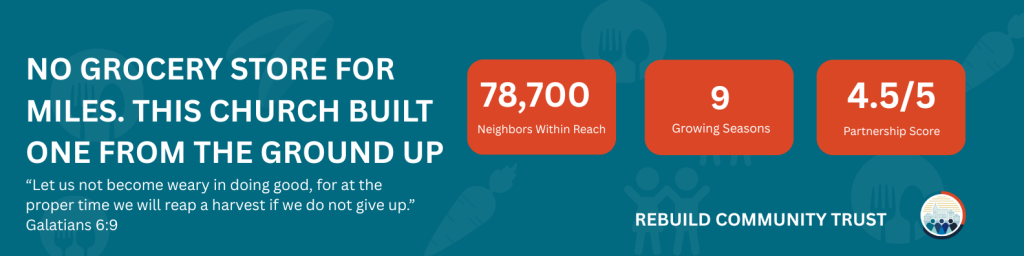
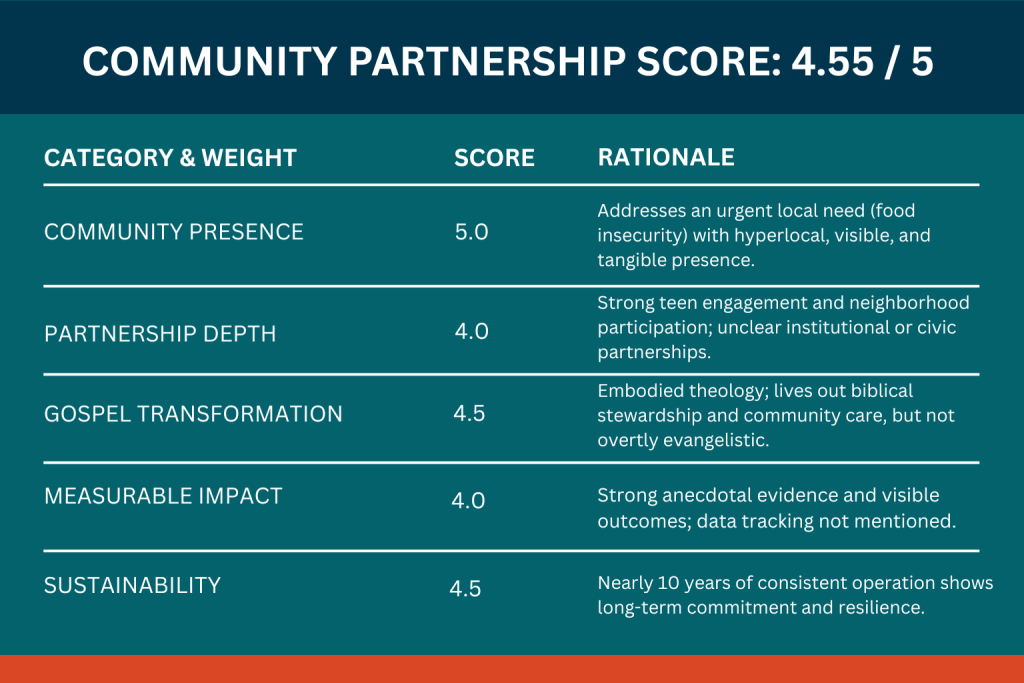
In a city with no major grocery store and limited access to fresh food, Faith Farms directly addresses a daily, tangible need — positioning the church as a reliable and invested neighbor.
-
By training teens in agriculture, marketing, and animal care, the church is not only building skills but also forging new relationships between young people, the land, and the community.
-
Nearly a decade of steady farming seasons has shown residents that the church is committed for the long haul, rebuilding trust one planting season at a time instead of through one-time projects.
The earth is the Lord’s, and everything in it, the world, and all who live in it.” — Psalm 24:1 (NIV)
How a Church Farm is Growing More Than Food in Gary
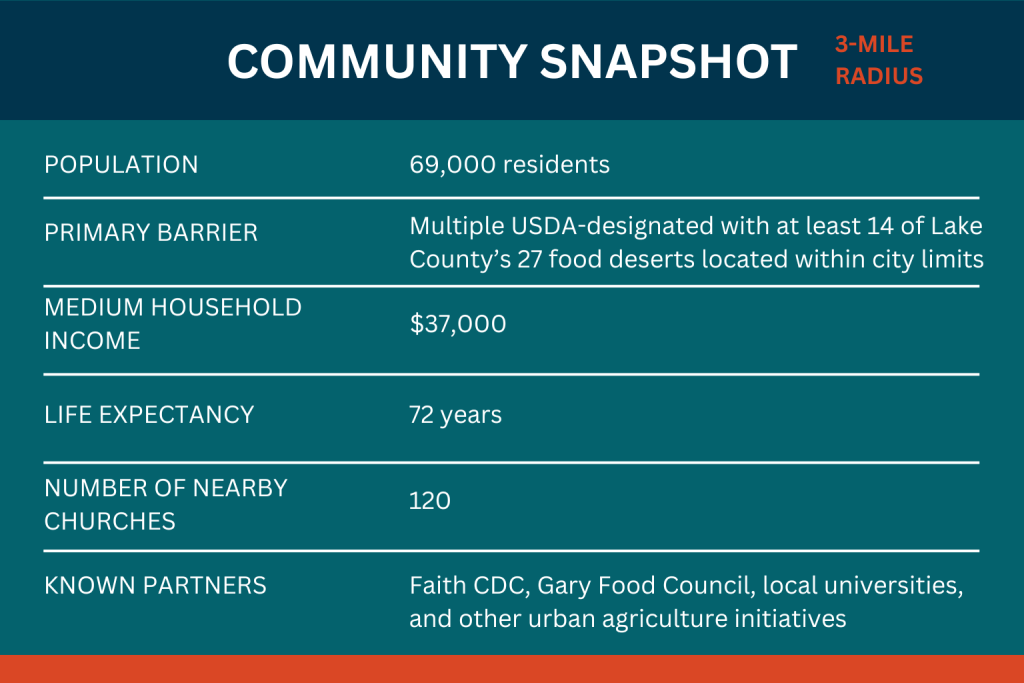
In Gary, Indiana, the nearest full service grocery store can be miles away. For many residents, fresh produce and healthy staples are not just expensive, they are out of reach.
Progressive Community Church decided that was not acceptable. Nearly a decade ago, they took an abandoned lot and started planting. Not just flowers or a token garden, but Faith Farms — a solar powered, working farm producing strawberries, mustard greens, chicken, duck eggs, goat’s milk, and honey. The produce flows directly into the community, functioning like a neighborhood grocery source without the price tag.
But the harvest is not just about food. Teens from across Gary work the soil, care for animals, and learn marketing and life skills. David Bazziel says, “I get to grow my own food. I get some marketing skills… I get experience.” For Reid Hall, the goats are the best part: “They’re really calming… you just enjoy their company.”
In a place where trust in institutions has eroded over decades, this farm is doing more than feeding stomachs. It is rebuilding relationships one planting season at a time.
Bridge-Building
Gary has endured decades of industrial decline, environmental damage, and population loss. Residents have seen promises made and broken, leaving deep skepticism toward institutions. Churches are not exempt from this skepticism.
Faith Farms is closing that trust gap in three ways:
-
Relational – Residents see church members in work boots, planting, harvesting, and serving alongside them. Presence is proving more powerful than speeches.
-
Structural – The farm directly addresses the absence of a grocery store, turning food insecurity into food access.
-
Cultural – The program honors older generations’ agricultural roots while giving youth a future-focused skill set.
This steady, visible, and participatory work is changing how neighbors view the church, not as an outsider but as a partner in rebuilding the city.
Let’s discern what rebuilding trust might look like in your context
Final Reflection / Call to Action
Faith Farms has shown that rebuilding trust requires more than words. It takes soil under fingernails, relationships built in the open air, and a willingness to stay through seasons of both drought and harvest.
This church did not just give away food. They planted themselves in the middle of the need and let their actions speak louder than any invitation. Now, the farm is a living testimony that when the church meets a real need with consistency and humility, trust grows alongside the crops.
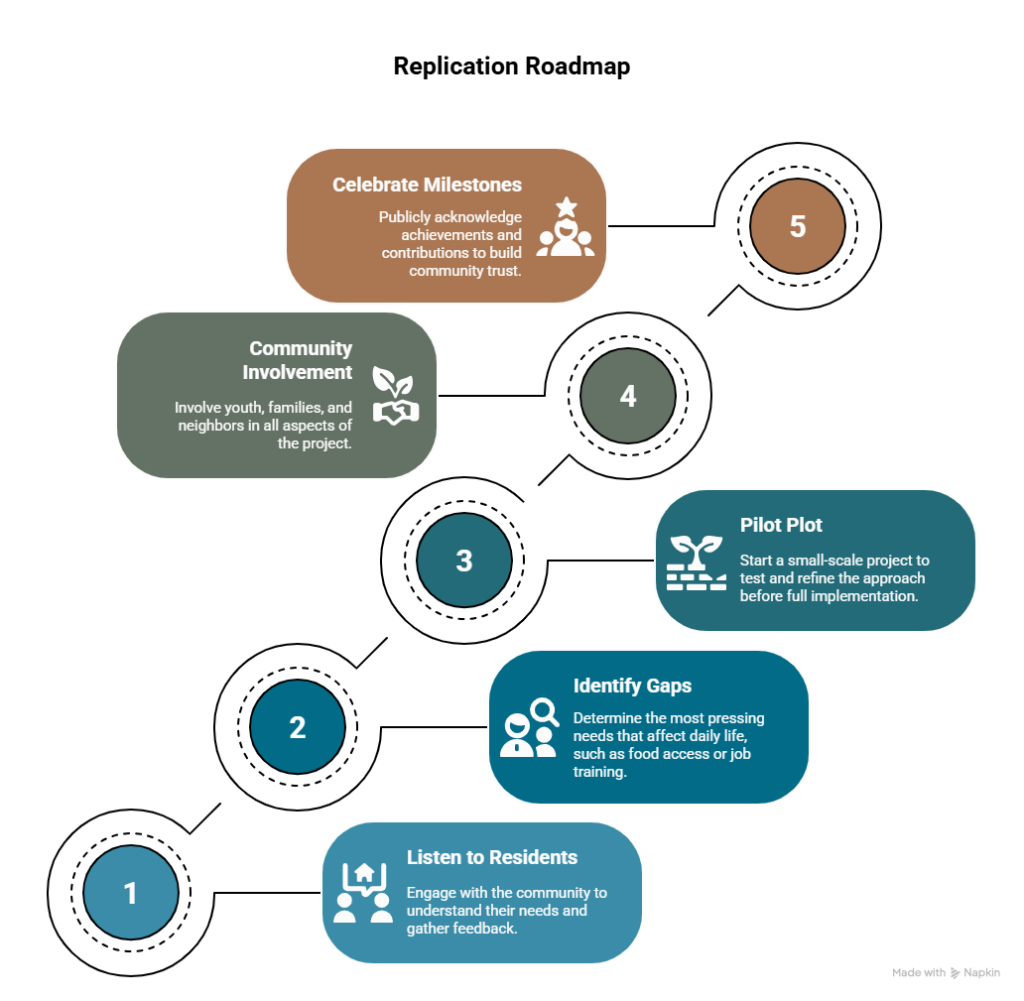
Your community may not need a farm, but it does have needs that could be met in ways that restore both dignity and connection. Begin by listening, then plant something—literal or symbolic—that will nourish your neighbors for years to come.
Download the Immerse Community Mapping Kit to identify your neighborhood’s most visible gaps and start the journey toward restored trust.
Progressive Community Church is not part of Immerse, but their story reflects the same values we believe every church can embody. Build a bridge that connects your church to your community.
- Download the Community Mapping Playbook to serve your context
- Let’s discern what rebuilding trust might look like in your context
Source: Learn more